2026 Christmas Decor Trends Warm Nostalgic Palettes and Modern Minimalism
Christmas decorating in 2026 is moving away from one perfect, matching look. The strongest rooms feel layered, personal, and a little collected, as if the ornaments came from family boxes, antique shops, winter walks, and one or two fresh finds from this season.
The big story is warmth. Deep color is back. Texture matters. Vintage pieces feel current again. At the same time, modern minimalism has not disappeared. Clean whites, soft neutrals, frosted glass, and Scandinavian-inspired restraint are still a major lane, especially for homes that favor calm over abundance.
The result is a season with two beautiful directions: warm, nostalgic richness on one side and soft, modern simplicity on the other. Many of the best 2026 Christmas decor trends sit somewhere in between.

Color palettes are getting deeper, softer, and more personal
For years, bright red and green dominated holiday displays. In 2026, those traditional colors are still around, but they are becoming richer, moodier, and more refined.
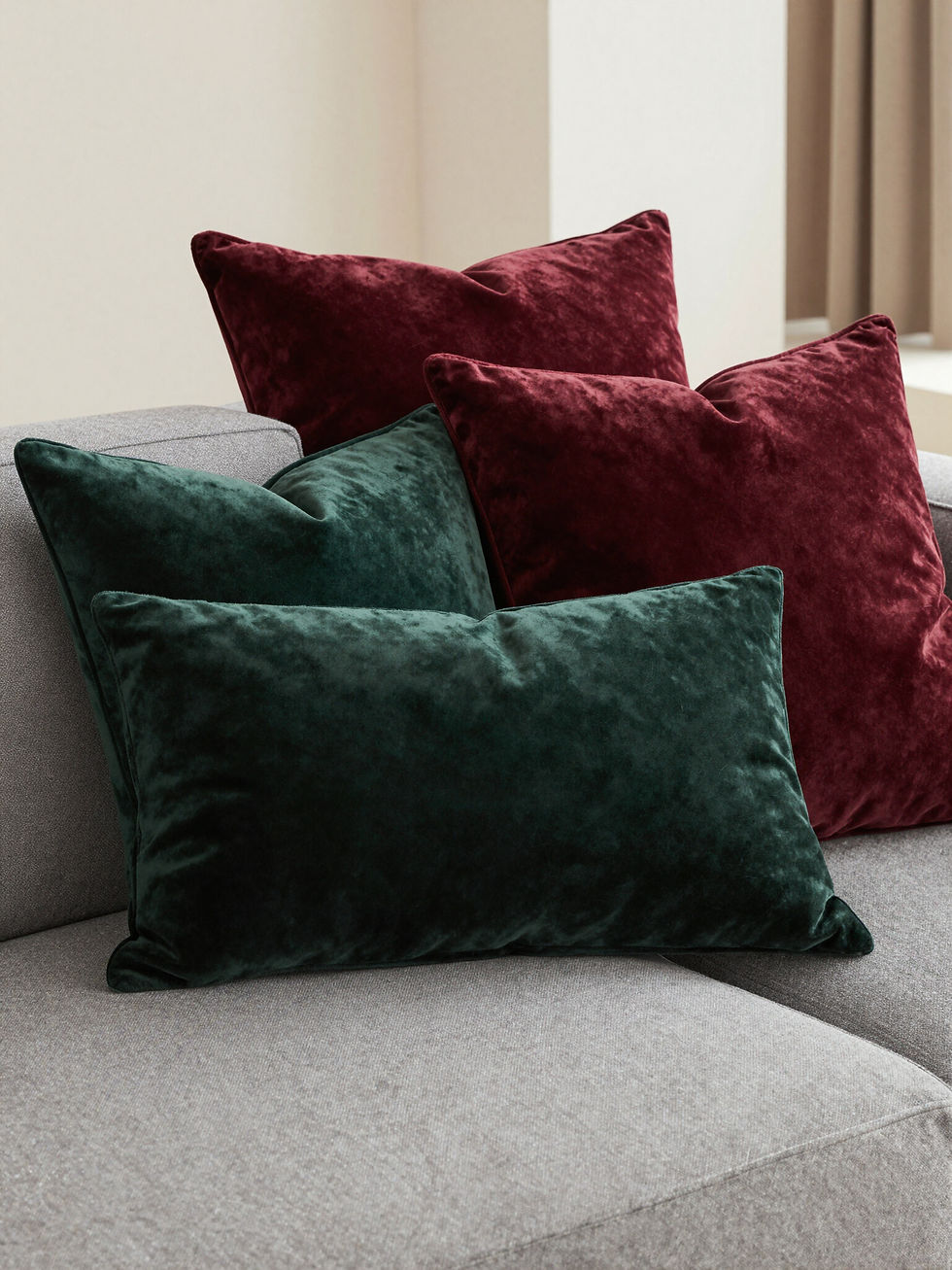
Instead of candy-apple red, think merlot, oxblood, cranberry, and burgundy. Instead of bright green, look for forest green, hunter green, moss, and deep emerald. These tones feel grounded and grown-up, especially when paired with natural greenery, dark wood, velvet, and warm metallics.
Brushed brass, antique gold, bronze, and copper are replacing the colder shine of high-polish silver in many rooms. They add glow without feeling flashy. A brass candlestick, copper bells, or antique gold ornament can warm up even the simplest tree.
Deep and moody colors lead the shift
The biggest color move for 2026 is toward a deep, moody palette. Merlot, forest green, burnt terracotta, chocolate brown, and inky navy all fit this direction.
This look works especially well in rooms with:
Dark wood furniture
Leather or velvet seating
Persian-style rugs
Brass picture frames
Traditional architecture
Candlelight and layered lamps
A deep palette does not need to feel heavy. The key is contrast through texture rather than brightness. Pair matte burgundy ornaments with glossy glass baubles. Mix velvet ribbon with rough pinecones. Add burnished metal to catch the light.
The feeling should be warm and enveloping, like a winter evening indoors.
Soft neutrals create the clean modern alternative
On the other side of the color story, soft neutrals remain strong. Beige, cream, taupe, oatmeal, ivory, and warm brown create a calm holiday base that avoids sharp contrast.
This is where Pantone’s 2026 Color of the Year, Cloud Dancer, fits naturally. Its clean, peaceful white works well with snowy branches, frosted greenery, paper ornaments, ceramic houses, and elegant winter displays.
The neutral look is not stark. The most current version feels layered and tactile. Think wool stockings, ribbed glass, linen ribbon, unfinished wood, cream ceramic trees, and soft white lights.
A neutral palette works best when the materials carry the interest:
Bouclé or knit stockings
Matte ceramic ornaments
Pale wood beads
Frosted glass trees
Ivory velvet ribbon
White paper stars
Natural linen table runners
The goal is calm, not empty.
Jewel tones bring back elegant classics
Jewel tones are also having a strong moment. Deep emerald, sapphire blue, muted gold, ruby, and icy white bring drama while still feeling classic.
This is where the elevated “country club Christmas” look comes in. Picture traditional red and green, but richer and warmer. Hunter green replaces standard green. Oxblood replaces bright red. Navy appears in ribbon, wrapping paper, or tartan. Gold looks aged rather than shiny.
The result feels polished, traditional, and a little Ralph Lauren inspired, without needing to copy any one brand or room.
Teal and pastels add an unexpected twist
Not every 2026 palette is nostalgic. Teal is emerging as a modern alternative to classic Christmas green. It pairs beautifully with brass, ivory, dark green, and even burgundy.
Pastels are showing up too, especially in retail displays and more playful homes. Soft lilac, frosted pink, pale blue, and champagne can make Christmas decor feel fresh without going full candy-colored.
The trick is to keep pastel accents intentional. A frosted pink ribbon on a neutral tree can feel chic. An entire pastel room needs more discipline, with repeated tones and simple shapes to keep it from feeling scattered.

Nostalgia is back, but it looks more edited
The strongest style direction for 2026 is nostalgic, but not cluttered. It is more refined than the old idea of simply putting everything out at once.
This is where grandmillennial Christmas decor fits in. Also called “grandma chic,” the look blends heirloom charm with careful styling. It favors pieces that look collected over time, such as vintage glass ornaments, old-fashioned bells, needlepoint stockings, patterned ribbon, mercury glass, and antique gold finishes.
The mood is sentimental, but elevated.
A grandmillennial Christmas might include:
A tree with mixed vintage-style ornaments
Velvet bows in burgundy, navy, or forest green
Tartan ribbon tucked into greenery
Brass candlesticks on the mantel
Needlepoint or embroidered stockings
Glass bead garlands
Framed winter art
A bowl of ornaments on a sideboard
The beauty of this look is that it does not need to match perfectly. In fact, it looks better when it does not. One ornament can feel delicate, another playful, another formal. The shared thread might be color, material, or age.
A useful rule is to choose two or three anchors. For example, repeat antique gold, velvet, and dark green throughout the room. Then let the individual pieces vary.
Mercury glass and velvet are key materials
If there are two materials that define the nostalgic 2026 look, they are mercury glass and velvet.
Mercury glass brings soft reflection without the hardness of mirror-like chrome. It looks old-world, wintry, and elegant. Use it in ornaments, votive holders, tabletop trees, or garlands.
Velvet adds depth. A simple tree can look richer with velvet ribbon in merlot, moss, chocolate, navy, or champagne. Velvet stockings also bring a soft, heirloom feel to a mantel.
Together, these materials create the “passed down through generations” mood that many decorators are leaning into.
Tartan and plaid add warmth
Tartan and plaid are still going strong. They bring pattern, color, and tradition without requiring a full theme.
A plaid ribbon can connect red, green, navy, cream, and gold in one move. Plaid wrapping paper can make a simple tree skirt feel more intentional. A tartan table runner can warm up a dining room, especially when mixed with brass candlesticks and greenery.
For a more updated look, avoid using the same plaid everywhere. Mix one strong plaid with solids, natural textures, and a few metallic accents.
Rustic, farmhouse, and natural details still feel cozy
Rustic Christmas decor is not disappearing. It is simply becoming more layered and less literal.
The farmhouse look still draws on bare wood, pinecones, burlap, natural greenery, twig ornaments, dried orange slices, galvanized or tin accents, and handmade-style pieces. The difference for 2026 is that rustic rooms look best when balanced with elegance.
Instead of using only burlap and wood, add clear glass, brass bells, velvet ribbon, or a few deep jewel-tone ornaments. That contrast keeps the look from feeling flat.
Natural decorations also fit with the broader return to warmth and texture. Dried citrus, berries, pomegranates, apples, pears, cinnamon sticks, and magnolia leaves can make a room feel abundant without relying on plastic shine.
Fruit and harvest motifs feel especially timely
Traditional fruit and harvest motifs are gaining attention again. Berries, pomegranates, apples, pears, and citrus layered into evergreen garlands create a Colonial Williamsburg-style holiday look. It feels rich, historic, and festive.
This direction works beautifully for mantels, stair rails, and dining tables. It also pairs well with jewel tones, especially burgundy, deep green, gold, and navy.
Try this combination for a classic but current look:
Cedar or pine garland
Faux or dried pomegranates
Burgundy velvet ribbon
Brass candlesticks
Dark red berries
A few pear or apple accents
Warm white lights
It feels traditional, but the depth of color makes it look fresh for 2026.

Maximalism and minimalism are both influencing holiday style
One of the most interesting things about Christmas decor in 2026 is that opposite styles are popular at the same time.
Maximalism is growing, with larger pieces, stronger colors, oversized figures, bold tree toppers, statement wall art, and saturated tablescapes. This direction connects with the “Brave” trend language seen at Christmasworld Frankfurt, the major holiday trade show that often reflects global decorating moods.
At the same time, minimalism remains a serious favorite. The pared-back, Scandinavian-inspired look still appeals to people who prefer quiet rooms, clean lines, pale colors, and simple materials.
Rather than one trend replacing the other, both are shaping the season.
Maximalism gets bigger and bolder
Maximalist Christmas decor is not shy. It uses scale, color, and repetition to create a strong impression.
That might mean:
Oversized resin nutcrackers
Large deer or woodland figures
Dramatic tree toppers
Full garlands layered with ribbon
Jewel-tone table settings
Color-drenched ornament collections
Big wreaths with fruit, bells, or bows
Outdoor inflatables or statement porch pieces
The best maximalist rooms still have structure. They may use many objects, but the palette stays controlled. A saturated jewel-tone table can look incredible when emerald, burgundy, gold, and ivory repeat across linens, candles, dishes, and ornaments.
Maximalism works when it feels abundant, not random.
Minimalism stays light and architectural
The minimalist direction is the opposite. It favors restraint, space, and clean shapes.
This look often includes:
Pure white or ivory palettes
Frosted glass
Pale wood
Geometric ornaments
Sparse greenery
Monochrome trees
Paper stars
Slim taper candles
Clean-lined stockings
Cool silver or soft champagne accents
The mood is quiet and architectural. It works especially well in modern homes, apartments, and rooms that already use a neutral palette.
A minimalist Christmas tree might have only white lights, frosted ornaments, and a few handmade paper decorations. The effect can be just as festive as a heavily decorated tree, but in a softer way.
Whimsical storybook details add personality
Between maximalism and minimalism sits a playful storybook trend. Woodland creatures, deer, owls, birds, mushrooms, and tiny houses are being tucked into trees, wreaths, and mantels.
This look works best in small doses. A few felt animals in a tree can feel charming. A cluster of ceramic mushrooms under glass can make a side table feel magical. Deer figures on a mantel can soften a formal garland.
Whimsical details are especially useful when mixing old and new pieces. They keep nostalgic rooms from feeling too serious.
The best 2026 rooms mix styles instead of following one rule
The clearest takeaway for 2026 is that personal style matters more than a prescribed theme. The most current homes do not look like one matching set from one store. They mix vintage with modern, rustic with elegant, handmade with polished.
A tree can have heirloom glass ornaments and sleek white ceramic stars. A farmhouse mantel can include brass candlesticks and velvet ribbon. A minimalist room can still have one dramatic wreath. A traditional red and green palette can shift into oxblood, hunter green, navy, and antique gold for a richer effect.
That freedom is the real trend.
Here are a few easy pairings that feel especially current:
Vintage and modern
Rustic and elegant
Traditional and moody
Minimal and warm
Playful and polished
Mercury glass ornaments with simple paper stars
Pinecones and dried oranges with brass bells
Hunter green, oxblood, navy, and antique gold
Ivory ceramics, pale wood, wool, and soft lights
Woodland animals mixed with velvet ribbon
The key is repetition. If a room uses many styles, repeat a few colors or materials so everything feels connected.

How to bring the trends home without starting over
The best way to decorate for 2026 is not to replace everything. Start with what you already own, then add a few pieces that shift the mood.
If your decor is bright red and green, deepen the palette with burgundy ribbon, hunter green ornaments, or antique gold bells.
If your home is neutral, add texture with wool stockings, frosted glass, pale wood beads, and cream ceramic trees.
If your style is rustic, bring in one polished material, such as brass, mercury glass, or velvet.
If your room feels too minimal, add one nostalgic layer. Try vintage-style ornaments, a plaid ribbon, or a bowl of old glass baubles.
If your decor feels too busy, edit the color palette. Keep the sentimental pieces, but group them by tone or material.
A few smart additions can make older decorations feel current:
Velvet ribbon in merlot, moss, navy, or champagne
Brushed brass bells or candlesticks
Mercury glass ornaments or votive holders
Tartan ribbon or stockings
Dried orange slices or fruit accents
Frosted white trees or ceramic houses
Teal ornaments for a fresh color shift
Woodland figures for a storybook touch
The strongest Christmas rooms in 2026 feel warm, layered, and lived in. They have texture, memory, glow, and small surprises. Some lean moody and nostalgic. Some stay pale and minimal. Many do both.
If there is one direction to follow, make it this: choose a palette that feels good in your home, repeat a few materials, and let the rest feel collected over time. That is what makes the season feel personal, and that is the look that will last beyond 2026.


Comments